Get Pool Algae Removal
Local contractors offer algae removal services to eliminate algae buildup, improve water clarity, and restore pool cleanliness for property owners.
If your swimming pool has developed unsightly algae buildup, you're in the right place to explore effective removal options. Property owners in the area often seek professional algae cleaning to maintain a clean, inviting pool environment, especially during warmer months or after periods of inactivity. Comparing local contractors who specialize in algae removal can help ensure the work is done efficiently and thoroughly, keeping your pool safe and visually appealing.
Understanding the benefits of professional algae removal can also assist in planning your pool maintenance projects. Local service providers offer a range of solutions tailored to different pool types and conditions, making it easier to find a solution that fits your specific needs. Keep reading to discover how qualified contractors can help restore your pool’s clarity and cleanliness with expert algae removal services.
- Pool Algae Removal - homeowners needing to eliminate unsightly algae buildup in their pools.
- Pool Algae Removal - property owners seeking to prevent algae growth during seasonal changes.
- Pool Algae Removal - individuals noticing cloudy water or green tint indicating algae presence.
- Pool Algae Removal - pool owners preparing for upcoming events or seasonal openings.
- Pool Algae Removal - residents wanting to maintain a clean and healthy swimming environment.
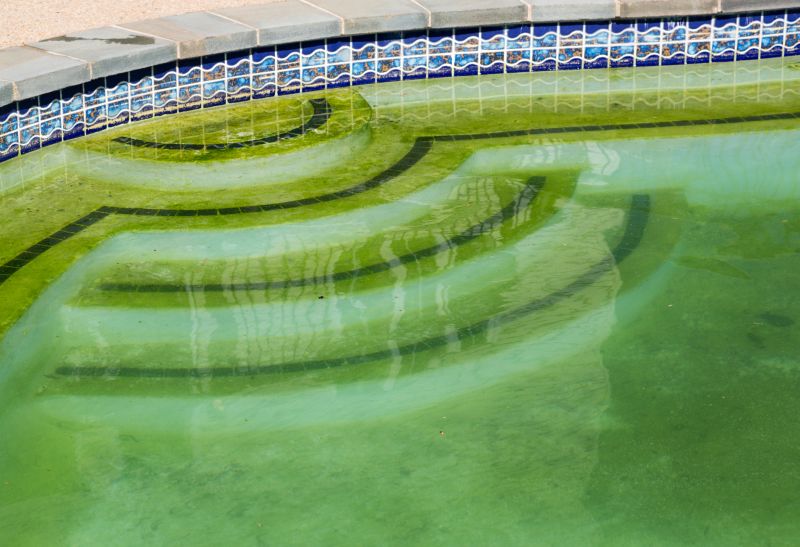
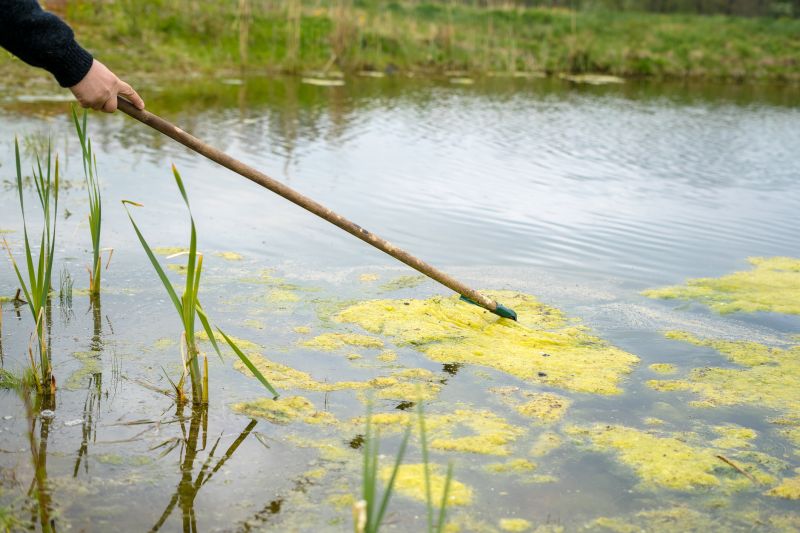
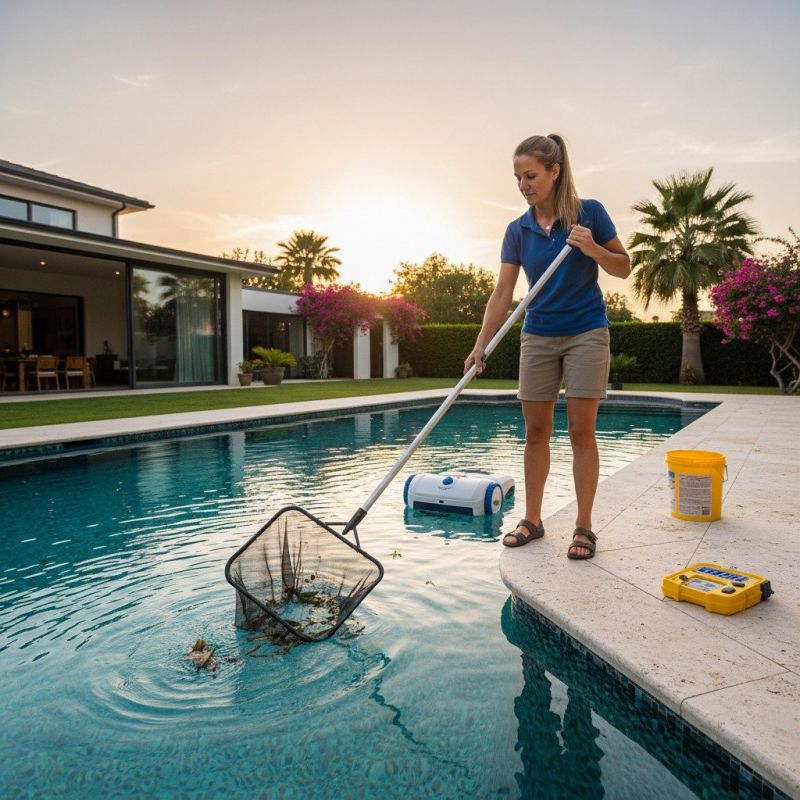
Pool algae removal services involve the application of specialized cleaning techniques and treatments to eliminate algae growth from swimming pools. This process typically includes thorough brushing of pool surfaces, targeted chemical treatments, and filtration system adjustments to break down and remove algae colonies. The goal is to restore the pool’s clarity, prevent algae from spreading, and maintain a safe, inviting swimming environment. These services are performed by experienced contractors who understand the different types of algae and the most effective methods for removal.
Algae growth in pools can lead to several problems, including cloudy water, slippery surfaces, and potential damage to pool equipment and surfaces. If algae are left untreated, they can quickly spread, making the pool unsafe for swimming and increasing the difficulty of cleaning. Pool algae removal services help address these issues by effectively eradicating algae, restoring water clarity, and preventing future outbreaks. Regular maintenance and algae prevention treatments can also be recommended to keep pools cleaner for longer periods.
These services are commonly used by homeowners with in-ground or above-ground pools, especially those that are not used frequently or have experienced periods of neglect. Commercial properties such as hotels, gyms, or community centers with public pools also frequently rely on algae removal services to ensure their pools remain safe and appealing for visitors. Any property owner noticing green, black, or yellowish algae, or experiencing cloudy water and slimy surfaces, may find these services essential for maintaining a healthy swimming environment.
Property owners should consider algae removal services when they notice visible algae growth, persistent cloudiness, or foul odors coming from the pool. These signs indicate that algae are taking hold and require professional attention to eliminate effectively. Engaging local contractors who specialize in pool algae removal can help restore the pool’s appearance and safety, ensuring it remains a clean and enjoyable space for swimming and relaxation.
The overview below groups typical Pool Algae Removal projects into broad ranges so you can see how smaller, mid-sized, and larger jobs often compare in your area.
In many markets, a large share of routine jobs stays in the lower and middle ranges, while only a smaller percentage of projects moves into the highest bands when the work is more complex or site conditions are harder than average.
Small-Scale Algae Removal - typical costs range from $250 to $600 for routine algae cleaning on smaller pools. Many projects in this category fall within this middle range, depending on pool size and algae severity.
Moderate Cleaning Services - larger or more persistent algae issues often cost between $600 and $1,200. These projects may involve additional treatments or equipment, which can push costs toward the higher end of this range.
Extensive Algae Treatment - for heavily affected or older pools, costs can range from $1,200 to $2,500. Such jobs are less common and typically require more intensive cleaning and chemical treatment.
Full Pool Algae Removal and Renovation - comprehensive projects that include full cleaning, repair, or renovation can reach $3,000 or more. These are larger, more complex projects that are less frequent but necessary in severe cases.
Actual totals will depend on details like access to the work area, the scope of the project, and the materials selected, so use these as general starting points rather than exact figures.
Swimming Pool Maintenance - Professionals in pool maintenance often handle algae control as part of regular cleaning and water balancing tasks.
Water Feature Cleaning - Experts who clean and maintain fountains, ponds, and waterfalls use similar skills to remove algae and ensure clear, healthy water.
Spa and Hot Tub Care - Spa service providers are experienced in algae prevention and removal for hot tubs and spas, which require similar water treatment techniques.
Lakeside and Pond Management - Pond maintenance specialists often address algae growth issues, applying comparable planning and treatment methods.
Water Testing and Treatment - Companies offering water testing services can identify algae presence and recommend appropriate removal strategies.
Pool Equipment Repair - Technicians who repair pool filters and circulation systems are familiar with the tools and planning needed for algae control.
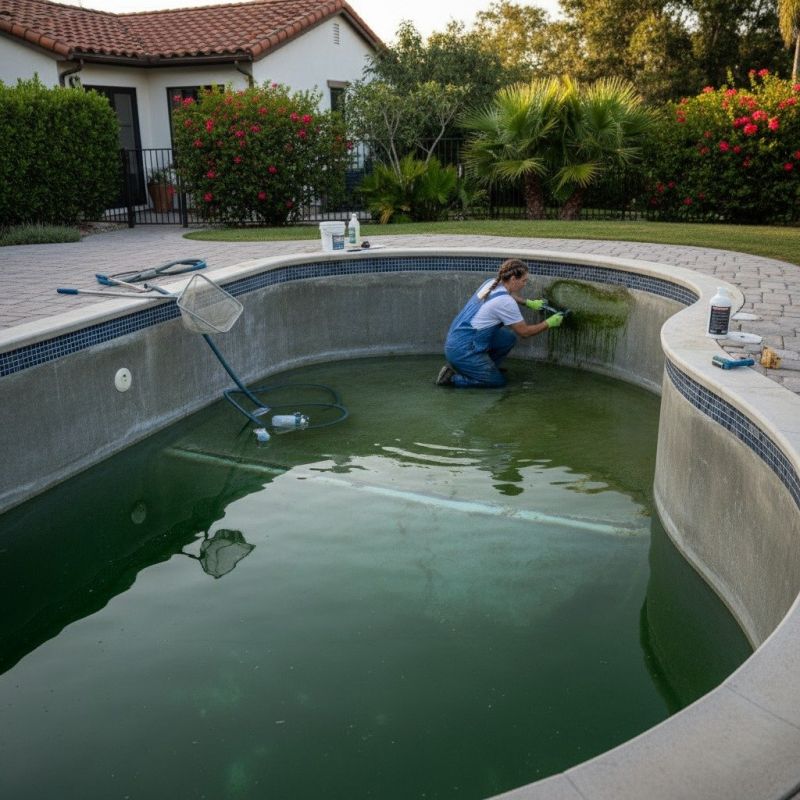
When comparing local contractors for pool algae removal, it’s important to consider their experience with similar projects. Homeowners should inquire about how long a service provider has been handling algae issues and whether they have worked on pools with conditions comparable to their own. An experienced professional will likely understand the most effective methods for algae removal and be familiar with common challenges that can arise during the process. This background can help ensure the selected contractor has the knowledge needed to address the problem efficiently and effectively.
Clear written expectations are essential when evaluating potential service providers. Homeowners should seek detailed information about what the algae removal process entails, including any necessary preparation, the scope of work, and what results to expect. Having a transparent outline helps prevent misunderstandings and provides a basis for assessing whether the contractor’s approach aligns with the homeowner’s needs. Reputable local contractors will typically communicate their services clearly and be willing to provide written descriptions or estimates that specify the work involved.
Reputable references and good communication are key factors in choosing a reliable provider. Homeowners are encouraged to ask for references from past clients who had similar algae removal projects. Speaking with previous customers can reveal insights into the contractor’s professionalism, reliability, and quality of work. Additionally, effective communication throughout the process-such as prompt responses to questions and clarity in discussing options-can indicate a contractor’s commitment to customer service. While this site introduces people to local options, it does not perform the work itself, so taking the time to evaluate these qualities can help connect homeowners with service providers best suited to handle their pool algae removal needs.
Property owners use Pool Algae Removal services for practical projects around their homes and businesses. This guide focuses on everyday jobs and straightforward project options.
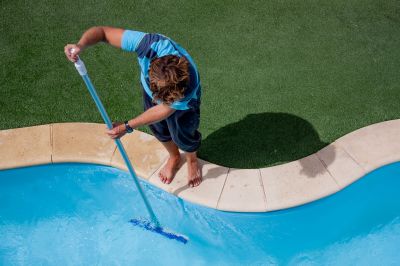
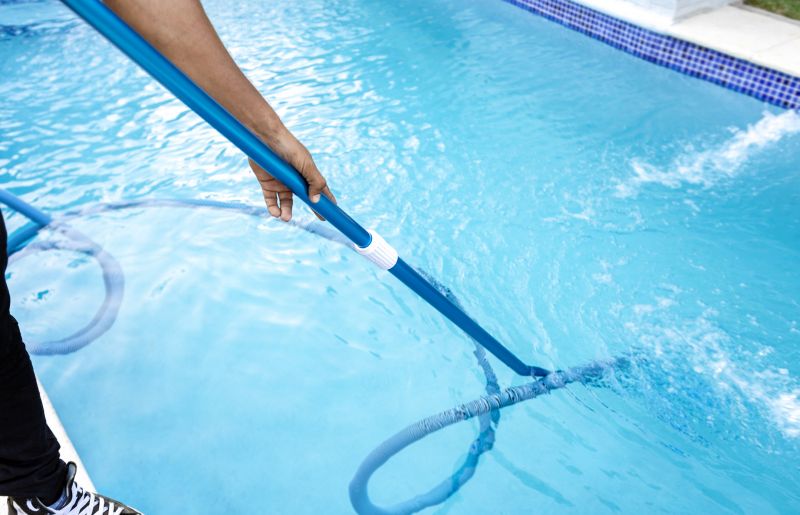
Pool algae buildup is a common issue for property owners who want to maintain a clean and inviting swimming area. Over time, algae can develop due to factors like warm weather, inadequate circulation, or infrequent cleaning, making pools look unsightly and potentially slippery. Local contractors specializing in algae removal can help restore the pool’s clarity and prevent further growth, ensuring the space remains safe and enjoyable for residents and guests alike.
Many property owners seek algae removal services after noticing a green or cloudy appearance in their pools. Regular use, seasonal changes, or lapses in maintenance can contribute to algae problems, prompting the need for professional intervention. Service providers in the area can assess the situation and recommend appropriate treatments to keep pools clean and algae-free throughout the swimming season.
What causes algae to grow in a pool? Algae can develop due to factors like inadequate circulation, poor filtration, or imbalanced water chemistry, creating conditions that support algae growth.
How do local service providers remove algae from pools? They typically use specialized cleaning techniques, including scrubbing surfaces and applying algaecides, to eliminate algae and restore water clarity.
Can algae return after removal? Yes, algae can return if pool conditions are not properly maintained, so ongoing water balance and filtration are important.
What types of algae are common in pools? The most common types are green algae, black algae, and yellow algae, each requiring specific removal methods.
How can I prevent algae from growing in my pool? Regular maintenance, proper water chemistry, and routine cleaning help prevent algae growth and keep the pool clear.
Prevent Pool Algae Growth - Regular algae removal helps keep pools clean and prevents algae from spreading, making maintenance easier over time.
Maintain Clear Water - Removing algae ensures water stays clear and inviting for everyday swimming and family gatherings.
Protect Pool Surfaces - Algae control can help preserve the integrity of pool liners and surfaces by preventing buildup and damage.
Enhance Pool Safety - Keeping algae levels low reduces slip hazards and promotes a safer swimming environment for everyone.
If you are thinking about Pool Algae Removal for a property, this guide is meant to help you understand the work, the typical project types, and how different options might fit your plans.
When you are ready, you can use the quote form on this page to share a few details about your project. From there, local pros can review the basics and respond with options that match what you have in mind.